.png)
Designing a Home Office That Works for You
A well-planned home office does more than give you a place to sit — it sets the tone for how you work, think, and perform every day. Whether you’re working remotely full-time, running a business, or simply need a focused space to manage life admin, the right setup can transform both productivity and comfort.
It’s not about filling a room with furniture. It’s about making smart, considered choices — balancing function, flexibility, and style in a way that works for you. From layout and ergonomics to storage and lighting, every element plays a role in creating a space that supports you.
Here are ten practical tips to help you plan a home office that works properly — now and as your needs evolve.

Before furniture, define function.
Are you focused on deep work, video calls, admin, or creative thinking?
Your setup should reflect your daily reality — not a Pinterest board.
Natural light, noise levels, and separation from the rest of the house matter.
Even a small, well-positioned space will outperform a large, poorly considered one.

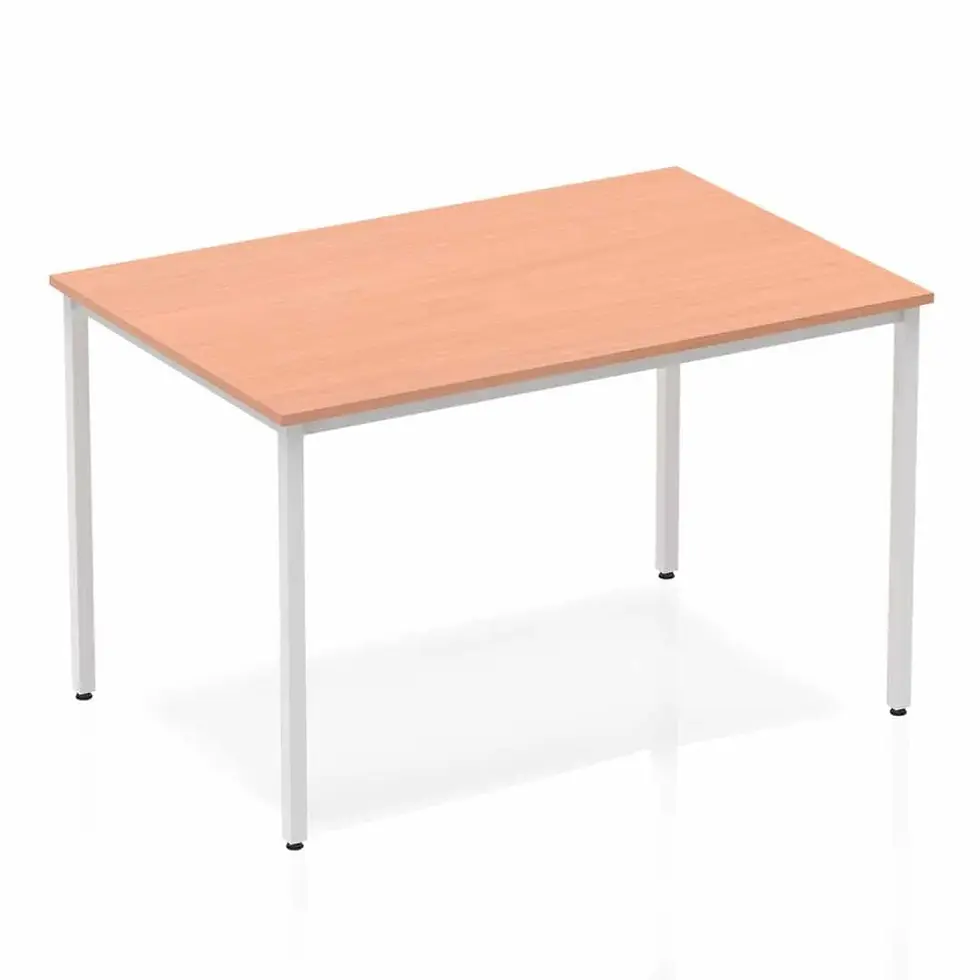
Your desk is your foundation.
Get the size right for your workflow. A laptop-only requirement is very different from dual screens and paperwork.
Avoid going too small; it limits you long-term.This is where you’ll feel the impact fastest.
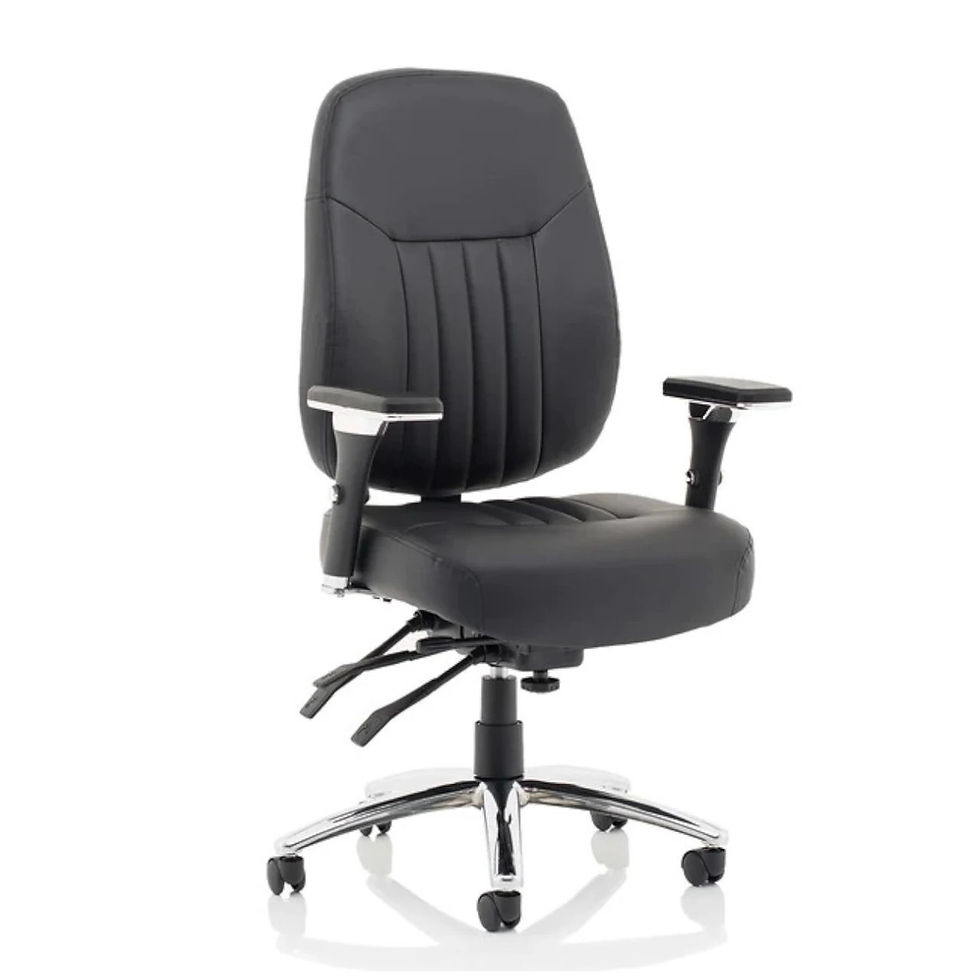
A supportive, ergonomic chair is non-negotiable if you’re working daily — posture, comfort, and energy all depend on it.
Your desk is your foundation.
Screen at eye level, feet flat, arms supported.
Small adjustments here make a huge difference to long-term comfort and productivity.Clutter kills focus.
Plan for storage from the start — drawers, shelving, or smart hidden options — so everything has a place.
Don’t rely on one overhead light.
Don’t rely on one overhead light.
Combine natural light, task lighting (desk lamp), and softer ambient lighting to create a balanced workspace.Sockets, cable management, charging points - all often overlooked.
A clean, organised setup reduces friction and keeps the space visually calm.
Keep your palette and materials consistent.
A clean, considered space helps you think clearly — avoid overloading it with distractions.
Keep your palette and materials consistent.
A great workspace should feel like yours.
Artwork, plants, or a few personal items can elevate the space — just don’t let them take over the function.
Explore Home Office Solutions
From ergonomic seating to beautifully practical desks, explore options that turn good intentions into a space you’ll actually enjoy working in.